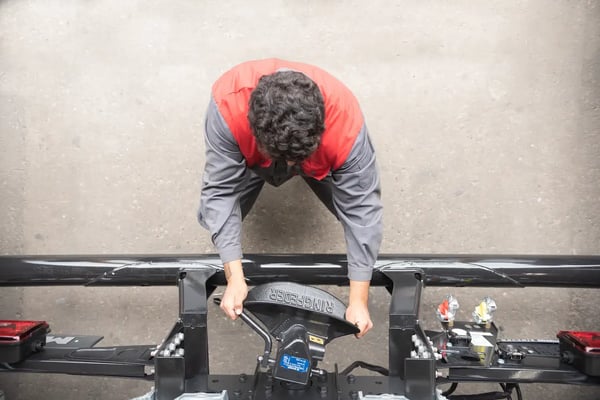
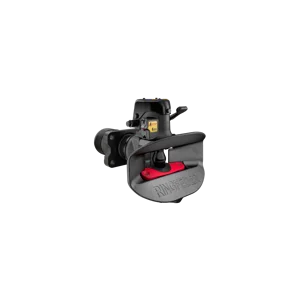
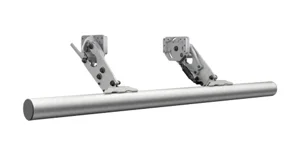
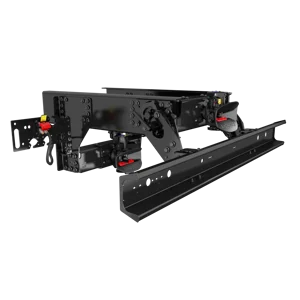




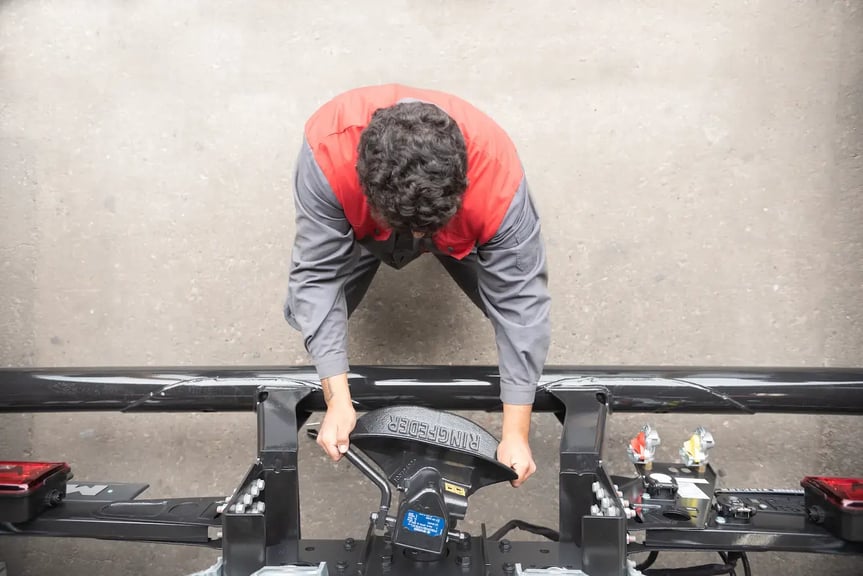
We've shared our daily coupling maintenance checklist on the blog before — read it here and find out how a quick 5-minute check can dramatically reduce the risk of unexpected coupling problems.
In this article, we're not going to cover the details of these daily checks, but look at the influence they have on your total cost of operation (TCO).
Modern logistics is fast-paced and competitive, and every fleet manager's main goal is working as cost-efficiently as possible. Certain major costs, like fuel or labor, are hard to significantly reduce. But in some other, less obvious costs — like the ones linked to your trailer couplings — you can make some noticeable savings. Let's find out how.
How daily coupling maintenance lowers TCO
It avoids downtime
There's many ways a poorly-maintained trailer coupling can put a truck out of action. Corrosion can cause a bolt to become stuck in the locked or open position, preventing the driver from coupling or uncoupling. Heavy wear to the coupling components can also make it difficult to operate the coupling normally. Small cracks or deformations can cause the coupling to suddenly fail when placed under load.
All of these situations result in a trip to the workshop. Spare parts need to be ordered, mechanics have to get to work, and the truck and trailer are out of service. Even if the problem is solved quickly, this is still a costly process. And every minute that a truck is stuck in the workshop instead of out on the road costs you money. The exact cost of downtime varies from fleet to fleet, but some sources put it at hundreds of euros per hour.
With simple daily checks and regular, low-effort maintenance, these problems could have been detected in advance and avoided completely. Spending a few minutes a day to ensure your couplings are looking good can really cut TCO.
It extends coupling life
Couplings aren't the most expensive components on your trucks, but having to regularly replace them due to poor maintenance will have a negative impact on your bottom line. Simple daily checks allow you to detect issues early and fix them before they cause major issues, and regular cleaning and lubrication can help fight wear and corrosion. Take care of your equipment, and it'll take care of you.
It helps drivers work more efficiently
Over time, couplings that aren't maintained properly become harder to use. Corrosion, wear and built-up dirt often make them stiff and difficult to manually operate, making life harder for the driver (particularly if they are mounted in a hard-to-reach position deep under the truck). When a coupling has been well-maintained and is functioning as it should, the driver probably won't even think much about it. But poor maintenance can create headaches that have a major impact on the driver's efficiency.
When European truck fleets are facing major challenges in finding qualified drivers, it's important to make sure the drivers you do have are getting the job done as efficiently as possible. Daily maintenance can boost productivity, and really reduce costs over time
Take care of your equipment, and it'll take care of you.
It keeps equipment and people safe
As we've mentioned, daily maintenance is important for efficient operations. But more importantly, it's critical for keeping your drivers and other road users safe. If coupling damage goes unnoticed, it can lead to coupling failure — potentially causing serious accidents out on the road or in a loading area.
Reduced costs obviously aren't the primary reason for focusing on safety. Your team's health and wellbeing is always more important than your bottom line. However, it's clear that poor safety practices have a negative financial impact — either from fines or staff absences.
Checking that couplings are safe and ready to operate before the start of every workday will keep your people out of danger and reduce the risk of unexpected safety-related costs.
Keep learning how to reduce your fleet TCO
If you work with running truck fleets, it's likely that reducing TCO is one of your main priorities. To get regular insights on how your trailer couplings can help you achieve that goal, click the button to subscribe to the blog. You'll get notified by email whenever new articles are published.
And if you want to get in touch to find out how our solutions can make your fleet more cost efficient, make sure to contact us here.