




In a competitive industry like logistics, fleet managers constantly need to make savings and cut down their total cost of operation (TCO). When trying to prioritise major costs like staff salaries, fuel and recruitment costs, it's easy to overlook the seemingly small costs generated by your trucks' trailer couplings. However, these small components can have a major impact on the other costs in your operation in ways that can be hard to see at first glance.
When we talk about total cost of ownership, most fleet managers probably think of factors like these:
- Fuel — How routes, equipment, driver behaviour and fuel prices impact your bottom line.
- Maintenance and repairs — Planned service and emergency maintenance.
- Labor costs — Impacted by driver shortages, overtime and routes.
- Insurance and compliance — Essential for keeping your fleet operating safely and legally.
These few cost areas can make up a large proportion of the fleet's total cost of operation, and handling them can take up most a of a fleet manager's working day.
But there's a larger number of hidden costs that contribute to TCO. These hidden costs may seem small on paper, but their wider effects can drive major cost increases across the fleet. All truck and trailer components generate these hidden costs, and your coupling is no exception. 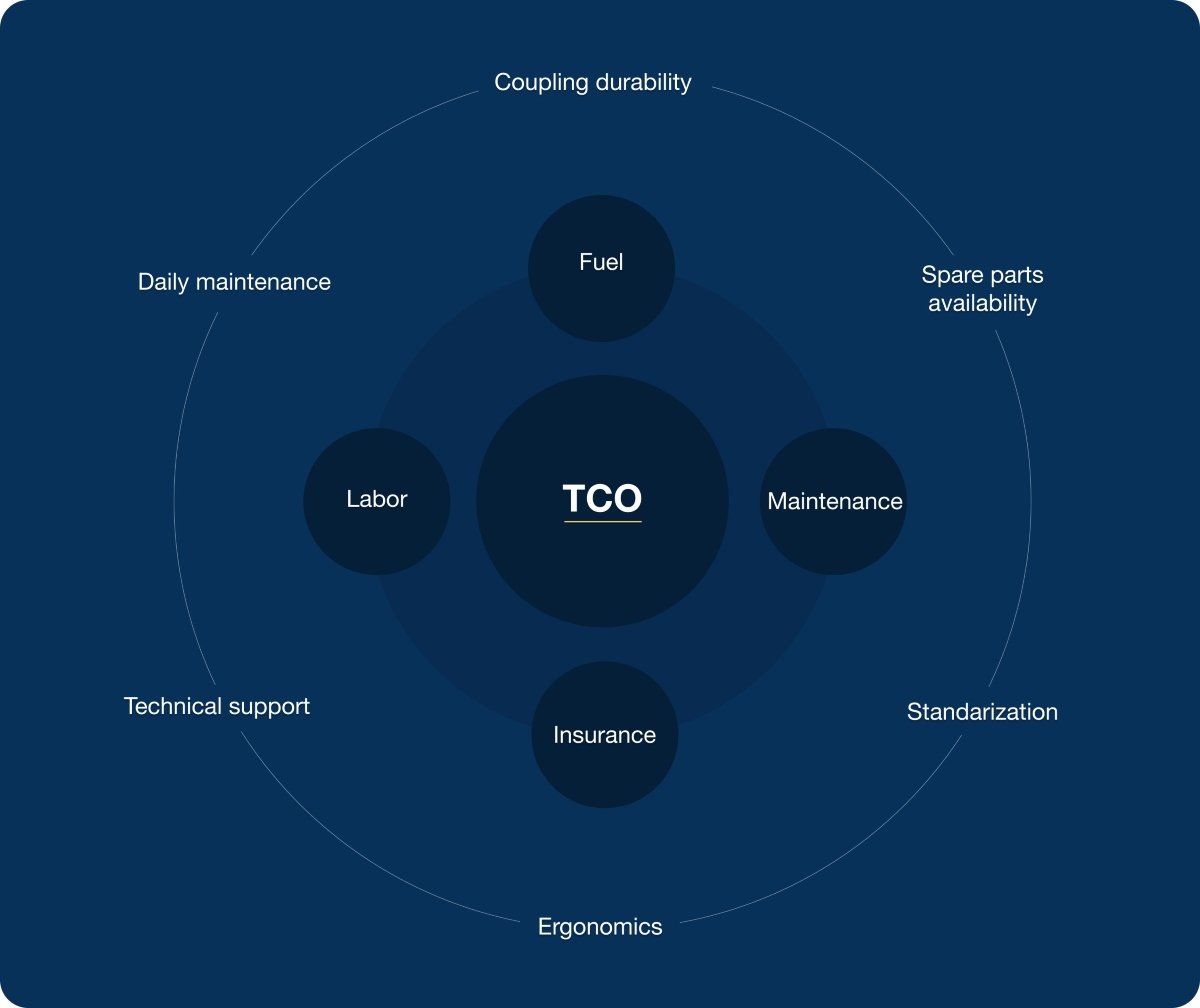
What hidden factors cause your coupling to increase TCO?
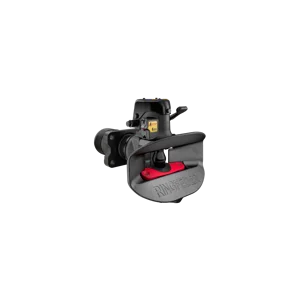
- Durability and robustness — A coupling that can't withstand the strain of daily logistics operations will need maintenance more frequently. And if it causes an unexpected stoppage, the costs can quickly multiply to many times the value of the coupling. Making a slightly bigger investment in durable, reliable couplings can quickly save money if it helps you avoid downtime.
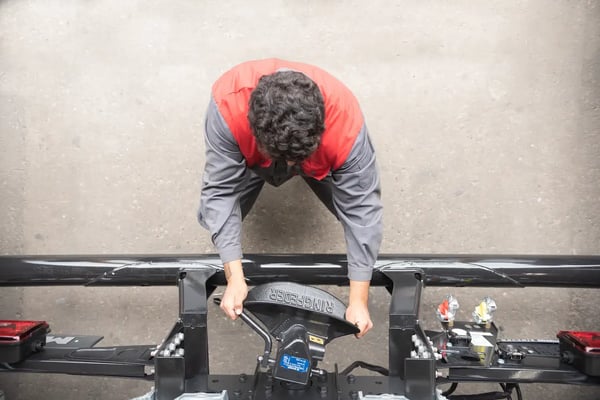
- Ease of use and ergonomics — Couplings that are easy and safe to use help drivers get their jobs done quicker, and with fewer unexpected incidents. A coupling that is difficult to open, or forces the driver into an unsafe, strained position will slow work down, increasing your costs and even putting drivers at risk of injury. When logistics runs on such small marginals, a coupling that makes a driver's workday smoother and more efficient can create a noticeable reduction in TCO.
- Remote indication and operation — If a coupling is mounted in a hard-to-reach position, being able to open the coupling and check if it's locked from the side of the truck (or even from the driver's seat) can help the driver work more efficiently and lower operational costs.
- The supplier's spare parts operation — Even the highest-quality couplings occasionally need replacement parts to operate at their best. When you need spare parts, you need to be confident that your supplier has them stock and can get them to you quickly. Any delays or lack of availability can keep trucks in the workshop and cause your TCO to skyrocket, so it's essential to do your due diligence when picking a supplier to make sure their spare parts operation meets your needs.
- Supplier technical support — Reliable access to spare parts is one thing, but your coupling supplier should also give you the right support and technical documentation to help you install and care for your product. Minimizing time trucks are in the workshop is essential for lowering TCO, and rapid expert support from your supplier can help you achieve it.
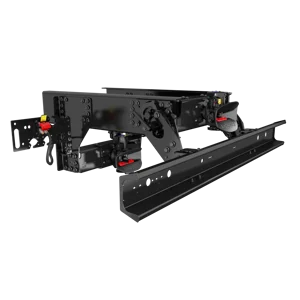
- Compatibility with other truck and trailer equipment — The features of an individual trailer coupling are important, but it needs to work well with the rest of the equipment on the truck and trailer to actually provide value. If the coupling is difficult to mount, assembly and maintenance will become much more challenging in the future. That's why it's often best to consider a system solution, where all components in the system come from the same supplier. This ensures all parts will fit together perfectly, helping mechanics work more effectively and getting your vehicles back on the road quickly after maintenance, lowering TCO.
- Standardization across your fleet — This factor isn't related to the couplings themselves, but the number of different types of couplings you use across your fleet. If your trucks are fitted with couplings from many different suppliers, it's easy for inefficiencies to develop in administration and maintenance. By consolidating around one coupling supplier, you get a single point of contact and a single source of spare parts, helping your team work more efficiently and cutting your costs.
- Daily maintenance practices — This is a factor that you and your drivers have control over. By regularly checking the coupling for signs of wear and ensuring it's lubricated and functioning properly, unexpected stoppages and downtime can be reduced significantly, saving you money. Just a few minutes of checking every day can make a big difference, so it's a good habit to develop.
If you're also facing pressure to reduce TCO and build a more cost-effective fleet, think carefully about your choice of coupling and coupling supplier to ensure these hidden costs don't escalate your costs further.
Click the button below to get in touch with us if you want to discuss how our couplings can have a positive impact on your TCO, and make sure to subscribe to the blog if you want to get more knowledge like this delivered your inbox.